Understanding the signals your body sends — and what's happening beneath the surface — can help you take the next step in your journey.
01
Symptoms are signals
Ongoing or recurring symptoms may be your body's way of asking for attention.
02
Feeling better isn't the whole story
Symptoms may improve, but inflammation can still be active under the surface.
03
Symptom control vs. inflammation
Managing symptoms matters — but treating inflammation is key to protecting your future.
"Symptoms are your body's way of asking for attention — even small ones are worth noticing."
01 · Recognize
Symptoms are signals
Ongoing or recurring symptoms can be your body's way of asking for attention. Noticing patterns and changes can help you and your healthcare professional have more meaningful conversations. You may not experience all of these — what matters is how they affect you.
Bathroom changes
Diarrhoea, urgency, increased frequency, or blood in the stool.
Stomach symptoms
Abdominal pain, cramping, bloating, or a feeling of fullness.
Impact on daily life
Tiredness, low energy, poor appetite, or unexplained weight changes.
General wellbeing
Fever, night sweats, joint pain, or feeling generally unwell.
Important to know
Only a healthcare professional can assess your symptoms, request tests, and explain what they may mean.
Talk with your healthcare professional
Bring notes on what symptoms you had, when they started or changed, how often they occur, and what makes them better or worse.
02 · Recognize
When symptoms change
Changes in how you feel can provide important clues about what's happening inside. You know your body best — trust what you're experiencing, and don't ignore changes that persist or return.
1 · Notice the change
Pay attention to new, worsening, or recurring symptoms, or patterns different from your usual.
2 · Write it down
Keep track of what you're experiencing — details help you and your care team see the bigger picture.
3 · Talk it through
Share what you noticed. This can help guide the right next steps for your care, together.
Important to know
Small details can make a big difference. Patterns over time are often more helpful than a single bad day.
You are not alone
Your healthcare team is there to listen, support, and work with you.
03 · Recognize
Feeling better is not the whole story
When you have IBD, symptoms can improve — but that doesn't always mean inflammation is gone. Your healthcare team looks at more than how you feel to understand what's happening inside.
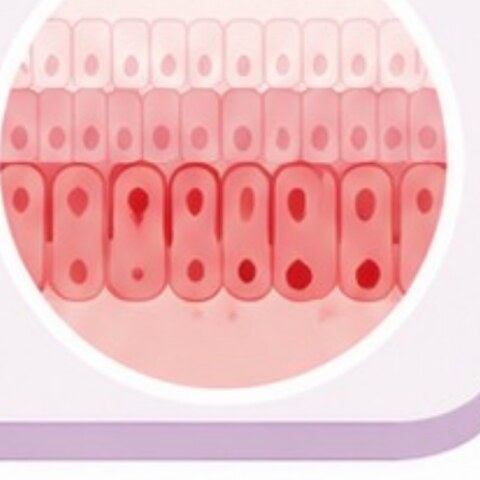
Inflammation can still be active in the bowel lining even when symptoms have eased.
How you feel
Your symptoms and how they affect your daily life are an important part of the conversation.
What tests show
Blood, stool, and other tests can show inflammation that you may not feel.
What your bowel lining shows
Your team may check the bowel lining to see if inflammation is still present and how it's changing.
The full picture matters
When symptoms, test results, and the bowel lining are considered together, you and your care team can have a more informed conversation.
Keep talking
Share how you feel and ask questions. Your insight helps your healthcare team personalise your care.
04 · Recognize
What your care team may measure
No single test tells the whole story. To understand how your IBD is behaving, your care team may look at several types of information together.
Symptoms & daily experience
How often you go, abdominal pain, urgency, tiredness, and how symptoms affect your day.
Blood tests (such as CRP)
These look for signs of inflammation in your body; results can change over time.
Stool tests (e.g. faecal calprotectin)
These look for inflammation in your digestive tract and can show changes you may not feel.
Endoscopy / imaging (when needed)
These let your team see inside the bowel and check for inflammation.
Important to know
Test results can vary from person to person, numbers alone don't tell the whole story, and only your healthcare professional can interpret your results.
Keep talking
Your questions help your care team help you.
This guide is for educational purposes only and does not replace medical advice. Always talk with your healthcare professional about your condition and treatment.